
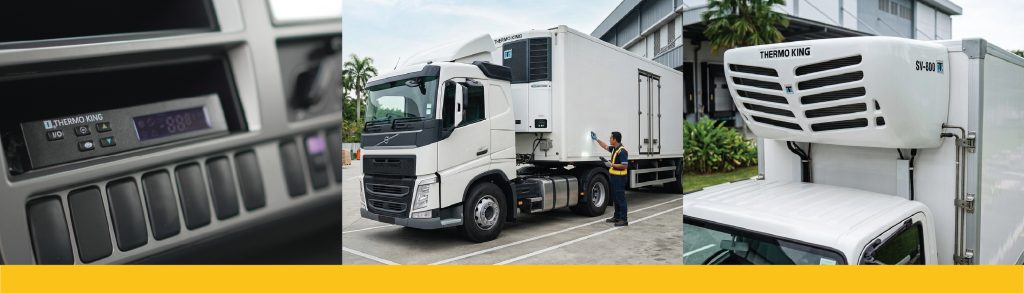
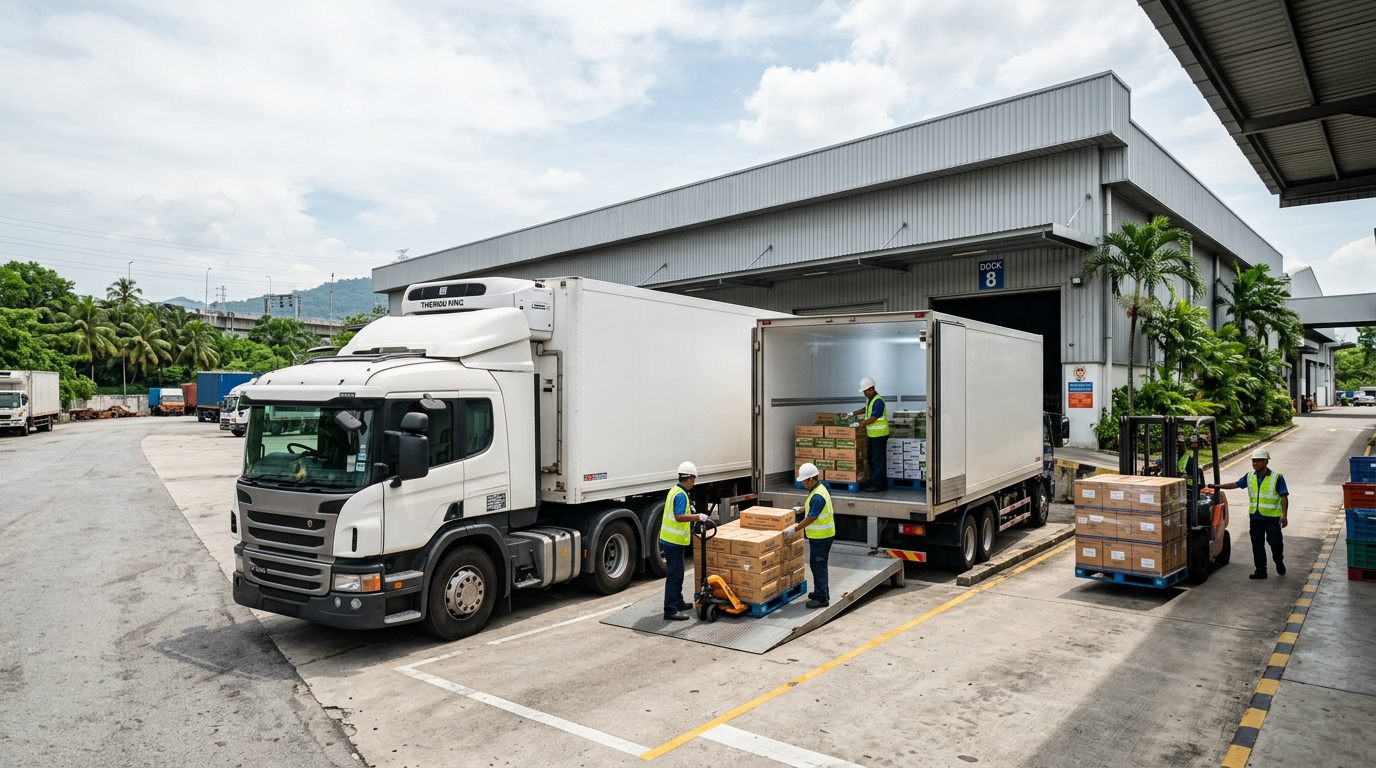
Malaysia’s tropical climate presents ongoing challenges for businesses transporting temperature-sensitive cargo. High humidity, consistently warm temperatures, congested urban roads and frequent stops for loading and unloading can all place additional demands on refrigerated transport operations.
For logistics managers responsible for delivering food, pharmaceuticals and other perishable goods, these challenges are more than just weather-related inconveniences. They represent operational risks that must be managed throughout the transportation process.
When discussing cold chain transport in Malaysia, the conversation often centres on one question: Does the business have a refrigerated vehicle?
In reality, having a refrigerated vehicle is only one part of the equation. Reliable cold-chain performance depends on how effectively the entire process is managed, from selecting the appropriate refrigeration system and insulated container to implementing proper loading practices, monitoring cargo temperatures and maintaining equipment.
Even a high-quality refrigeration system cannot compensate for every weakness in the transportation process. Poor loading practices, compromised insulation, inadequate temperature monitoring or neglected maintenance can undermine the performance of the entire system.
Successful cold-chain transportation is not simply about keeping a vehicle cold. It is about maintaining the right conditions for temperature-sensitive cargo throughout the journey.
Why Cold Chain Transport Matters in Malaysia
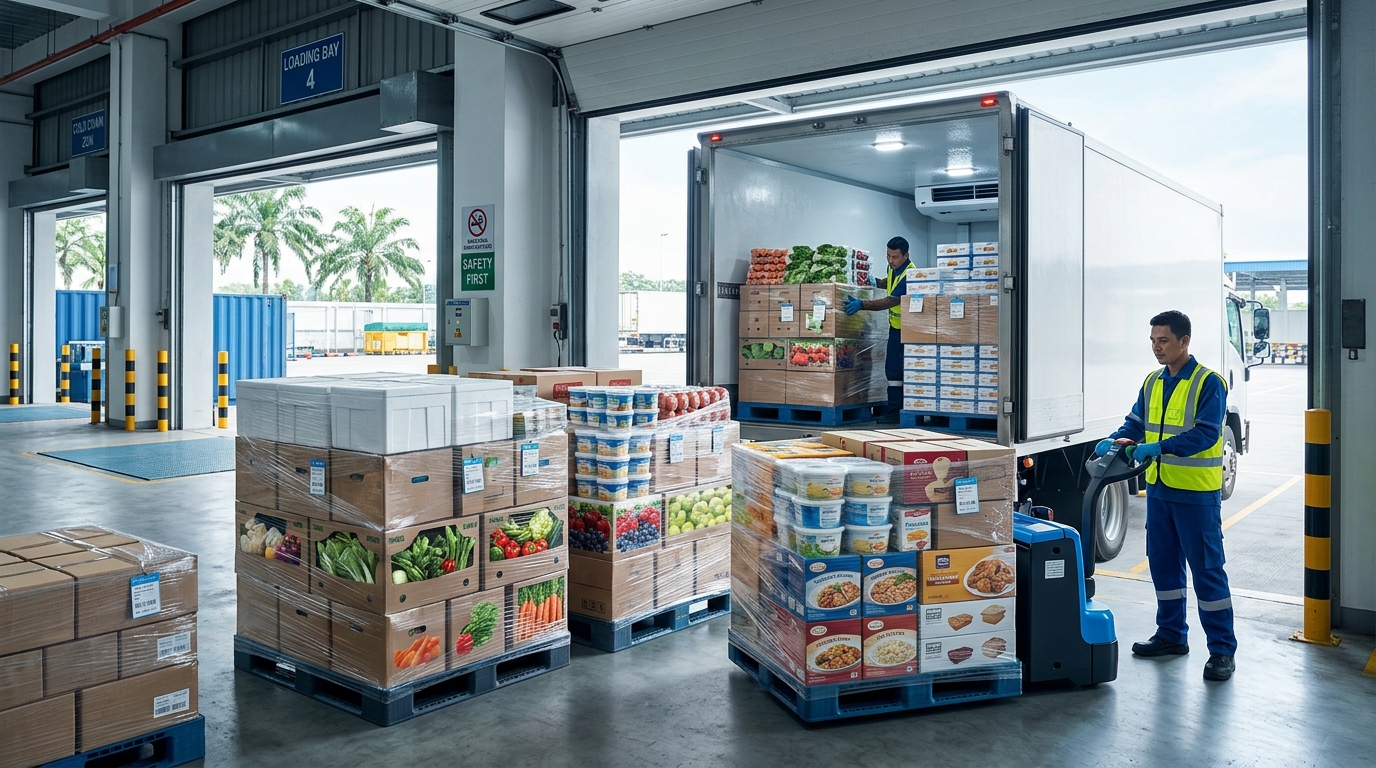
Several industries in Malaysia depend on reliable temperature-controlled transportation to preserve product quality, maintain safety and ensure goods reach their destinations in suitable condition.
These include fresh produce, frozen foods, meat, seafood and dairy products, as well as a wide range of goods moving through cold storage facilities, food processing plants and distribution networks. Pharmaceutical and healthcare logistics require equally careful handling, as certain medicines, vaccines and other temperature-sensitive products can lose their quality or effectiveness when exposed to temperatures outside their specified limits
For all these products, maintaining the required temperature conditions throughout transportation is essential. Effective temperature control helps preserve product quality, reduce spoilage and support consistent delivery performance.
A single temperature excursion during a long-distance journey can result in rejected shipments, wasted inventory and financial losses. In pharmaceutical logistics, temperature deviations may also compromise product quality and potentially affect patient safety.
The consequences extend beyond the immediate loss of cargo. Repeated temperature-control failures can disrupt supply chains, increase operating costs and undermine customer confidence.
Effective cold-chain management is not an optional extra. It is a fundamental part of protecting cargo value, maintaining product integrity and safeguarding business reputation.
Selecting the Right Refrigerated Truck in Malaysia
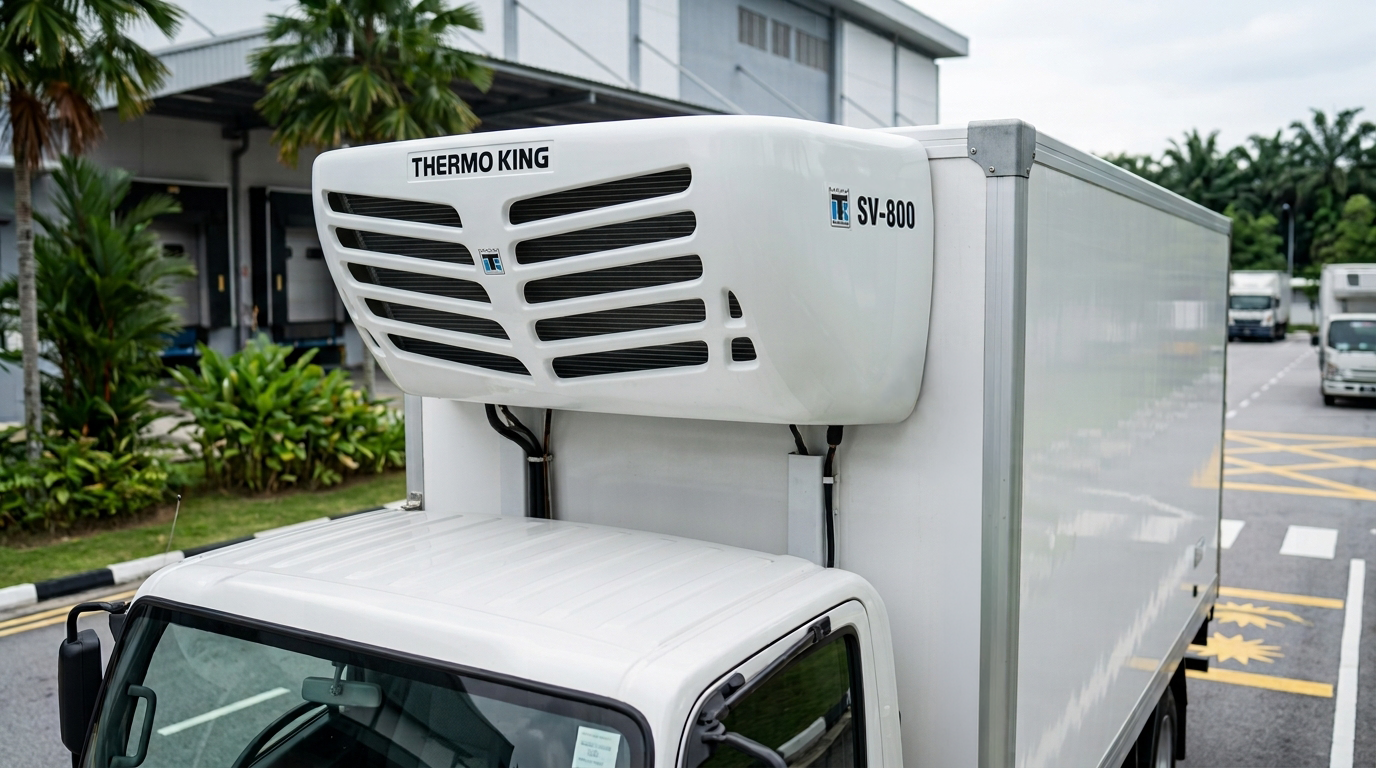
Selecting a refrigerated truck that Malaysia’s logistics operators can depend on starts with understanding the cargo requirements, not simply, not simply comparing vehicle specifications or refrigeration equipment catalogues.
Before choosing a vehicle, logistics managers should clearly define the required temperature range, type of cargo, typical load volume, delivery distances and frequency of deliveries. These factors help determine the appropriate vehicle size, refrigeration capacity and insulated body specifications for the intended application.
For example, transporting frozen food requires different temperature-control capabilities from delivering fresh produce, dairy products or pharmaceuticals. Similarly, a vehicle making frequent urban deliveries with repeated door openings faces different operating demands from one transporting a full load over long distances.
The right refrigerated truck is not necessarily the largest or most powerful. It is the one properly matched to the cargo, operating conditions and temperature-control requirements.
Practical Factors to Consider When Selecting a Refrigerated Truck
- Refrigeration capacity relative to load size and ambient conditions.
- Condition of the insulation and door seals.
- Number of stops and expected door openings per route.
- Built-in temperature monitoring capability.
A larger or cheaper refrigerated vehicle is not automatically the right choice. Matching the truck and refrigeration system to the actual operation conditions, rather than defaulting to the biggest option available, tends to deliver better results and lower running costs over time.
The Role of an Insulated Container
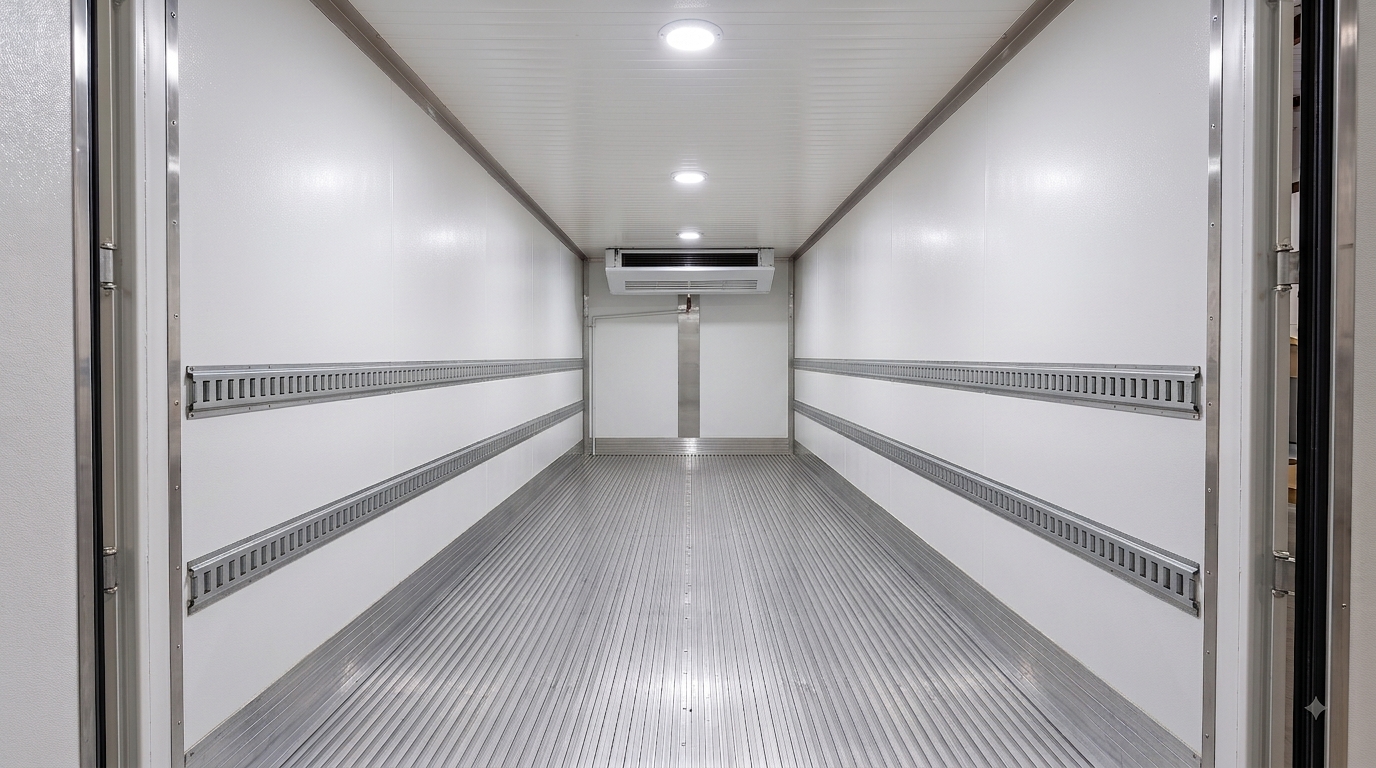
An insulated container plays a more important role in refrigerated transportation than many operators realise. Its primary function is to slow heat transfer between the external environment and the internal cargo space, helping the refrigeration system maintain the required temperature with less thermal load.
When insulation panels, door seals or panel joints become worn, damaged or poorly sealed, unwanted heat can enter the cargo compartment. As a result, even a properly serviced refrigeration system may struggle to maintain the required temperature, particularly under Malaysia’s hot and humid operating conditions.
Several practical factors influence insulated container performance:
- Door seal integrity: Worn or damaged seals can allow warm air and moisture to enter the cargo compartment.
- Cargo loading practices: Improperly positioned or tightly packed goods can obstruct airflow and create uneven temperature distribution.
- Door-opening frequency: Frequent or prolonged openings during deliveries increase heat and moisture infiltration.
- Internal airflow management: Sufficient clearance around cargo and air outlets helps refrigerated air circulate effectively.
- Insulation and panel condition: Damaged insulation, deteriorated joints or poorly maintained panels can reduce thermal efficiency.
These factors demonstrate why refrigeration performance cannot be assessed by looking at the refrigeration unit alone.
The refrigeration system and insulated container must work together as an integrated solution. A high-performance refrigeration unit cannot fully compensate for poor insulation or restricted airflow, just as a well-insulated container cannot maintain the required temperature without an appropriately selected and functioning refrigeration system.
For reliable cold-chain transportation, effective insulation and dependable refrigeration must go hand in hand.
Temperature Monitoring and Cold Chain Visibility
In temperature-controlled transportation, knowing what happens during transit can make the difference between a well-managed cold-chain operation and one that only discovers a problem after delivery.
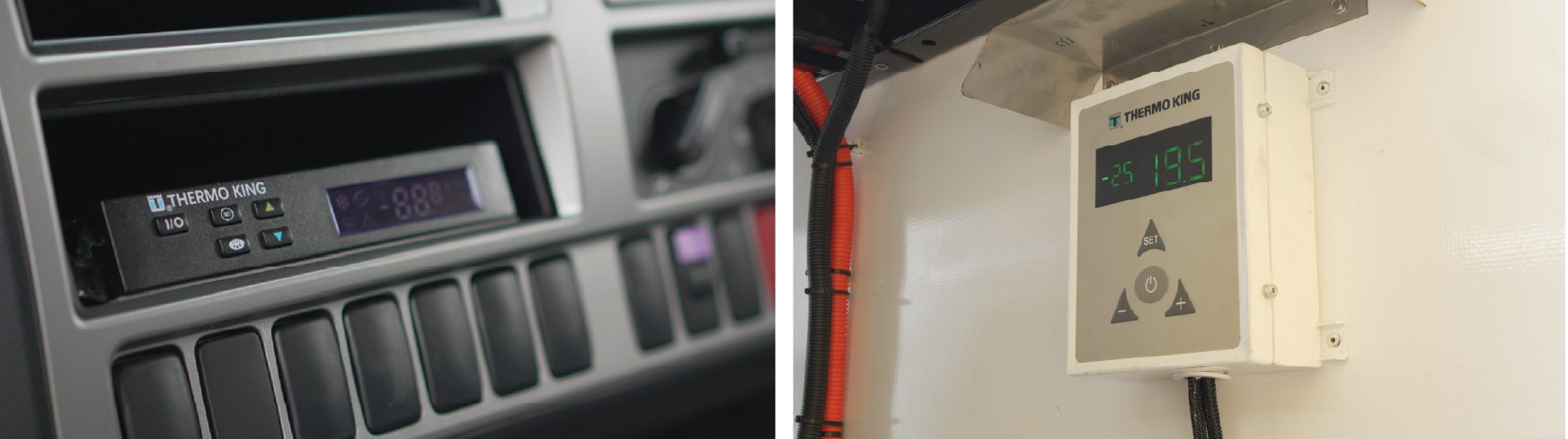
Temperature sensors and data loggers allow operators to monitor cargo conditions throughout the journey, rather than relying solely on a single temperature reading at pickup or delivery. Depending on the equipment used, real-time monitoring can also provide alerts when temperatures move outside predefined limits, allowing operators to investigate potential problems and respond promptly.
However, collecting temperature data is only the first step. Reviewing recorded temperatures after delivery, investigating unusual fluctuations and maintaining historical records can help logistics managers identify recurring issues.
These records may reveal patterns associated with particular delivery routes, individual vehicles, frequent door openings, loading practices or refrigeration equipment performance. Identifying these patterns enables operators to take corrective action before similar problems occur again.
Over time, consistent monitoring and data analysis can support better maintenance planning, more informed operational decisions and improved temperature-control practices.
Effective cold-chain visibility is about more than knowing the temperature. It is about understanding what happened, identifying potential risks and using reliable data to improve future performance.
Maintenance and Reliability — Prevent Problems Before They Occur
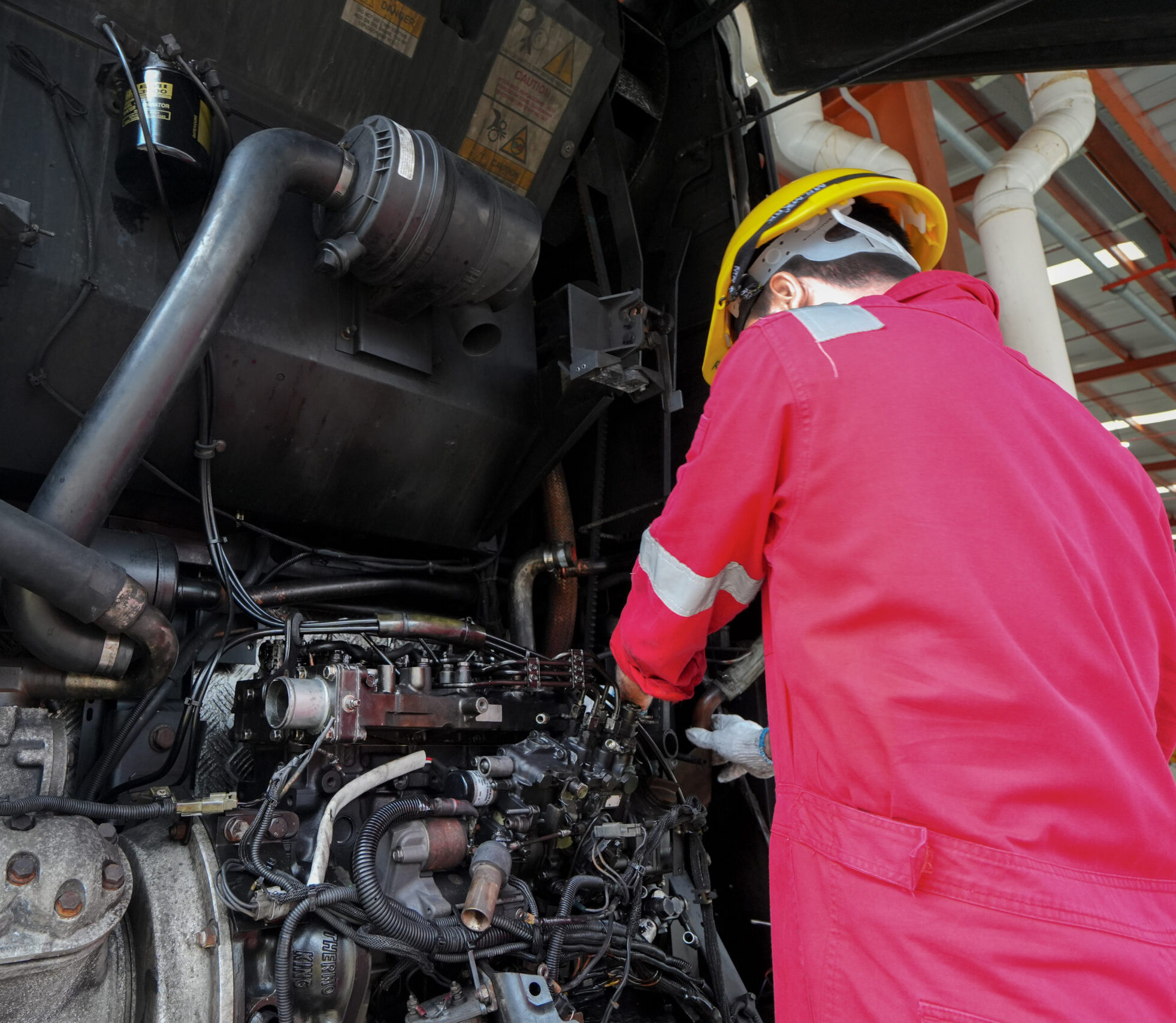
Preventive maintenance is one of the most effective ways to reduce avoidable cold-chain disruptions. Regular servicing of the refrigeration system, inspection of electrical components and checks on insulation panels and door seals can help identify developing problems before they lead to equipment breakdowns or temperature deviations during transportation.
A practical maintenance programme should not include inspections of refrigeration components, appropriate refrigerant-system checks, cleaning of relevant equipment and verification of operating performance. Technicians should also pay attention to early warning signs, such as inconsistent cooling, unusual operating noises, abnormal temperature fluctuations or changes in refrigeration performance.
Equally important is the timely replacement of worn or defective components with suitable, quality-assured spare parts that meet the equipment manufacturer’s specifications. Using incorrectly specified or unreliable components may compromise performance and increase the risk of repeat repairs.
Maintenance schedules should reflect the equipment manufacturer’s recommendations, operating hours, environmental conditions and intensity of use. Vehicles making frequent deliveries in hot and humid conditions may experience different maintenance demands from those operating on less intensive routes.
Waiting until equipment fails can result in emergency repairs, vehicle downtime, delivery delays and potential cargo losses. In contrast, planned maintenance helps operators identify issues earlier, manage servicing costs and improve equipment availability.
Reliable cold-chain transportation begins long before a vehicle leaves the depot. Regular maintenance, timely repairs and the right replacement parts help protect cargo, extend equipment service life and keep deliveries running smoothly.
Common Cold Chain Challenges
Malaysian logistics managers face a recurring set of operational pressures, including long transport routes, traffic congestion, high ambient temperatures and frequent loading and unloading. Poor loading practices, excessive door openings and incorrect temperature settings can add further strain, causing even reliable refrigeration equipment to underperform.
Many of these risks result from communication gaps and inconsistent operating practices rather than equipment failure. Clear handover procedures between warehouse and transport teams, consistent temperature settings and realistic route planning around traffic patterns can help reduce avoidable problems without requiring significant additional investment.
Good loading practices are particularly important. Cargo should be arranged to allow adequate airflow, while loading and unloading should be completed efficiently to minimse exposure to ambient conditions. Doors should remain closed whenever possible, and temperature settings should be checked before departure to ensure they meet the cargo requirements.
Effective communication between teams also helps prevent errors. Warehouse staff should confirm cargo condition, loading sequence and required temperature settings with drivers before departure. Derivers, in turn, should report delays, unusual temperature changes or repeated door-opening requirements so that corrective action can be take promptly.
Realistic route planning is equally important. Allowing sufficient time for traffic congestion, delivery stops and unloading helps operators manage schedules without compromising proper cargo-handling procedures.
By addressing these operational challenges through better planning, communication and discipline, logistics operators can improve temperature control, reduce product losses and make better use of their existing cold-chain equipment.
Reliable cold-chain performance depends not only on the equipment, but also on how consistently people, processes and technology work together.
Best Practices for Logistics Managers
Maintaining a reliable cold chain requires more than having the right refrigeration equipment. Consistent operating procedures, proper cargo handling and regular monitoring all contribute to effective temperature control and reduced operational risks.
Logistics managers can strengthen their cold-chain operations by following these best practices:
- Define cargo temperature requirements before dispatch. Confirm the required temperature range for each shipment and ensure it is appropriate for the specific cargo
- Select the right refrigerated transport equipment. Match the vehicle, insulated body and refrigeration capacity to the cargo type, load size, delivery distance and operating conditions.
- Inspect equipment before every trip. Check refrigeration system operation, door seals, insulation condition and other critical components for visible damage or potential problems.
- Pre-condition cargo and equipment where appropriate. Ensure the insulated compartment and cargo are at suitable temperatures before loading, following the requirements for the particular goods.
- Maintain proper airflow around cargo. Arrange goods to avoid blocking air outlets and return-air paths, allowing refrigerated air to circulate throughout the cargo compartment.
- Minimise unnecessary door openings. Plan loading and unloading activities efficiently to reduce the entry of warm, humid air into the insulated compartment.
- Monitor temperatures throughout the journey. Use suitable temperature sensors or data loggers to track conditions and identify potential deviations, rather than relying only on readings taken at pickup and delivery.
- Maintain accurate service and temperature records. Document maintenance activities, temperature readings, alarms and corrective actions to support traceability and identify recurring problems.
- Work with qualified technicians and reliable suppliers. Choose experienced service providers who understand the refrigeration equipment, can recommend compatible replacement parts and provide appropriate technical support.
Building a More Reliable Cold Chain
Implementing these practices can help logistics operators reduce avoidable temperature deviations, improve equipment reliability and minimise unnecessary operating costs.
Ultimately, successful cold-chain management depends on combining suitable refrigeration equipment with proper loading procedures, continuous monitoring, preventive maintenance and trained personnel.
The objective is simple: Protect every shipment, maintain temperature integrity and deliver products in the condition customers expect.
Conclusion – Building a More Reliable Cold Chain in Malaysia
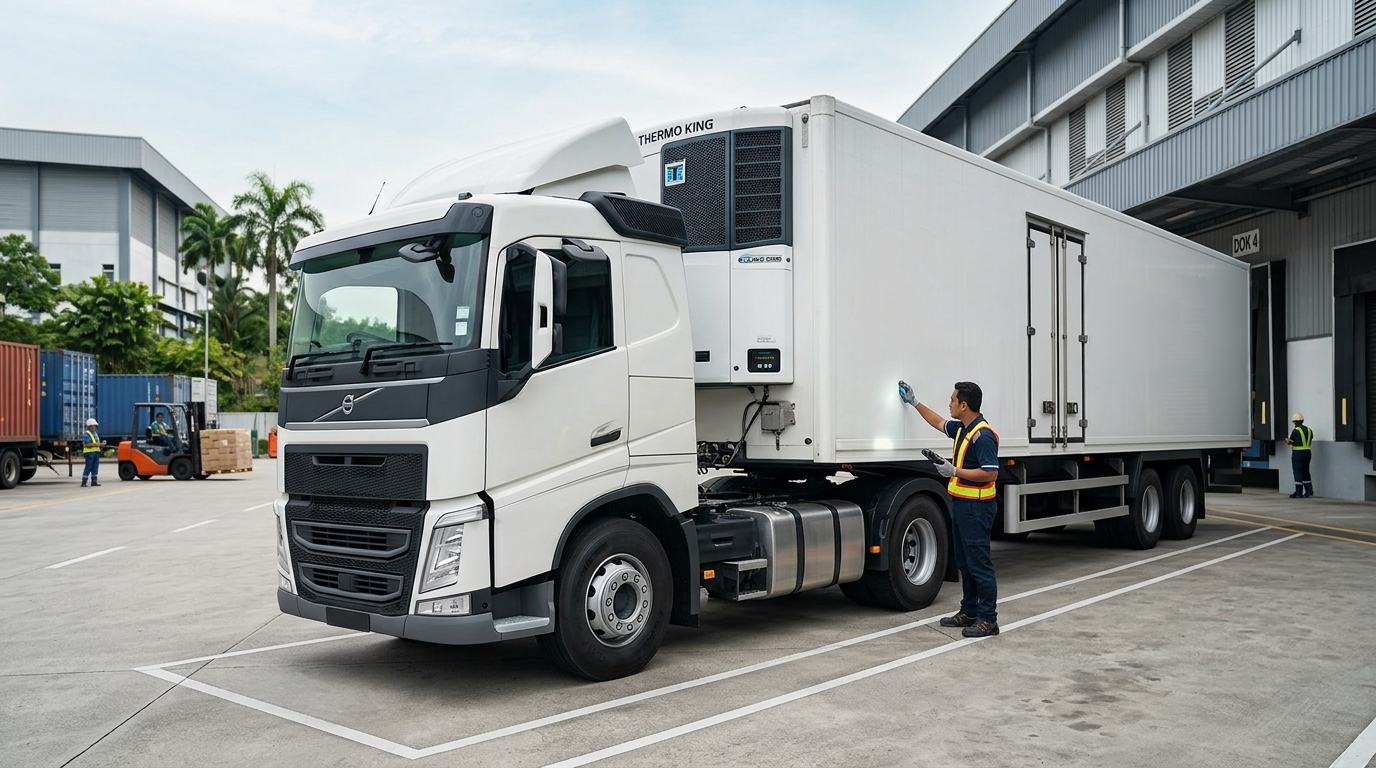
Reliable cold-chain transport in Malaysia depends on several critical elements working together, the right refrigerated truck, a well-maintained insulated container, effective temperature monitoring and disciplined cargo handling at every stage. No single component can compensate fully for weaknesses elsewhere in the system.
For logistics managers looking to strengthen their operations, working with an experienced cold-chain partner can make a meaningful difference. Monzone Group supports Malaysian businesses with refrigerated transport equipment, Thermo King refrigeration systems, insulated container solutions, spare parts and preventive maintenance services.
Beyond equipment and parts supply, Monzone Group also provides customer training and driver refresher courses to help teams develop better equipment-handling practices and maintain consistent operating standards. By combining reliable refrigeration technology with practical technical support and proper maintenance, businesses can work towards protecting cargo quality, reducing avoidable downtime and improving long-term operational efficiency.
Keep Your Cold Chain Moving with Monzone Group
Whether you are selecting a new refrigerated vehicle, upgrading an existing insulated container, sourcing replacement parts or reviewing your maintenance programme, Monzone Group can help you identify solutions suited to your operational requirements.
Contact Monzone Group today to discuss your cold-chain needs, from vehicle and refrigeration system selection to insulated container specifications, preventive maintenance and driver training.
Together, let’s build a more reliable cold chain that protects your cargo, supports your business and delivers confidence at every stage of the journey.