
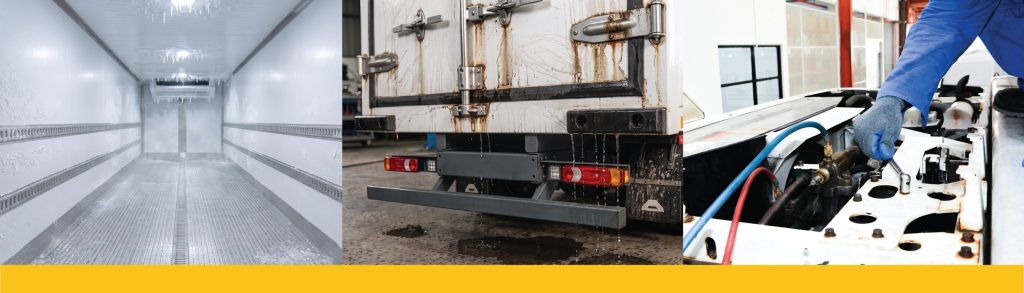
A refrigerated truck system that starts performing below its normal level rarely improves on its own. What may begin as a small change in cooling performance, temperature stability, or operating behaviour can develop into cargo temperature excursions, delivery disruptions, increased operating costs, and unexpected breakdowns.
For fleet operators transporting perishables, pharmaceuticals, frozen products, or other temperature-sensitive cargo, early detection is particularly important. Identifying potential problems before they develop into major failures can help reduce downtime, protect cargo, and avoid costly emergency repairs.
Not every unusual symptom means that a major component has failed. Issues such as restricted airflow, refrigerant leakage, dirty condensers, electrical faults, worn components, or inadequate maintenance can all affect refrigeration performance.
Here are seven common warning signs that your refrigerated truck refrigeration system may require inspection or servicing, together with the potential causes and why they should not be ignored.
1. Longer Pull-Down Time
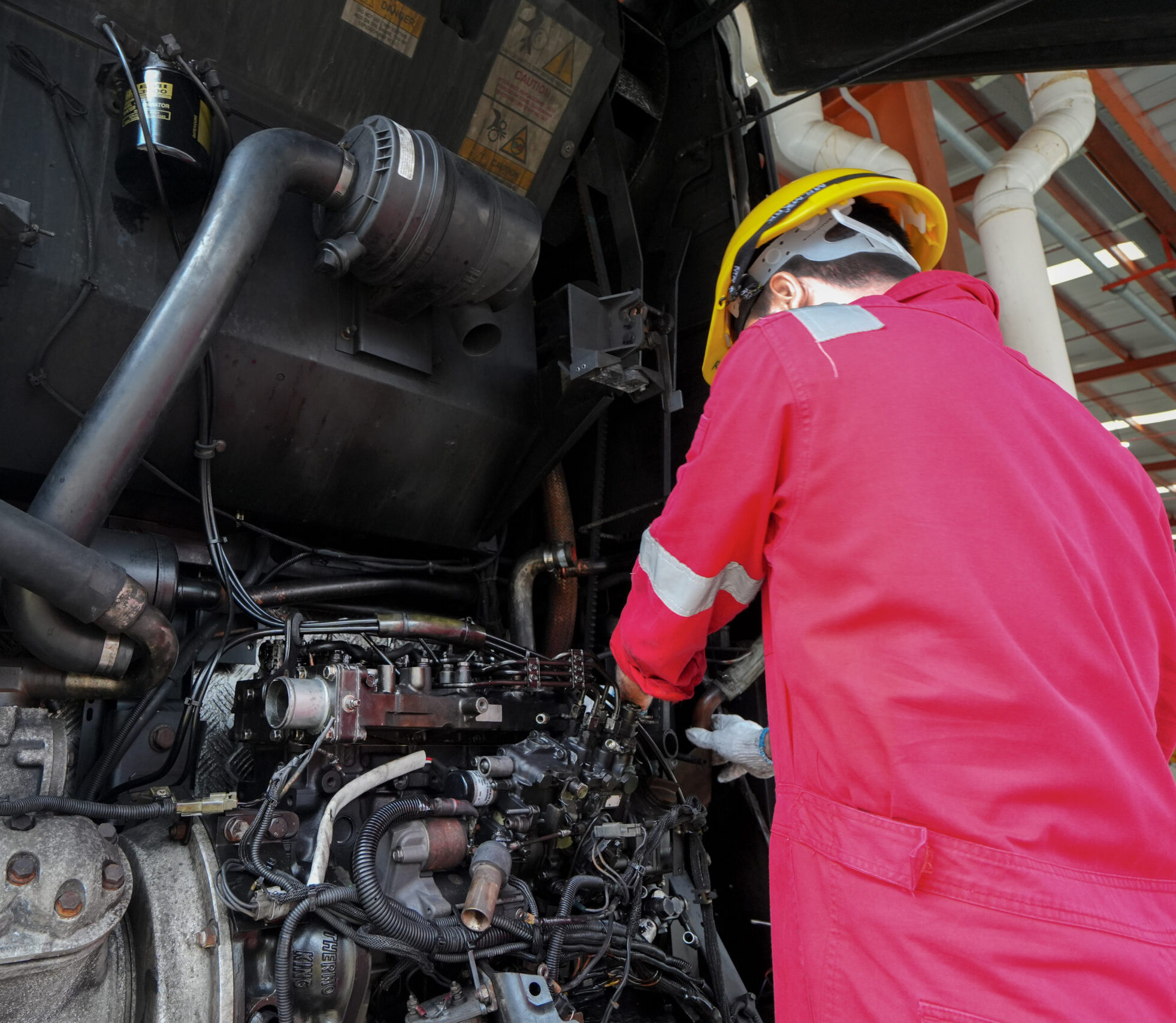
Pull-down time refers to the time required for a refrigerated container to reach its target temperature under specified operating conditions. The actual time can vary depending on the container size, insulation performance, ambient temperature, cargo temperature, loading pattern, door openings, and refrigeration system capacity.
If a unit that previously reached its setpoint within a reasonable period starts taking significantly longer, for example increasing from around 30 minutes to an hour or more under similar operating conditions it may indicate that the refrigeration system is no longer performing at its normal efficiency.
Common causes include:
- Low refrigerant charge or a refrigerant leak: insufficient refrigerant can reduce the system’s cooling capacity.
- Restricted internal airflow: blocked air outlets or return-air paths, poor loading practices, or overpacked cargo can prevent cold air from circulating effectively.
- Dirty condenser or evaporator coils: accumulated dirt and debris can reduce heat transfer and refrigeration efficiency.
- Mechanical or electrical issues: problems with the compressor, fans, sensors, controls, or other components can also affect cooling performance.
A gradual increase in pull-down time from trip to trip should not be ignored. If the refrigeration unit consistently takes longer than expected to reach its setpoint, it is advisable to have the system inspected and diagnosed by a qualified technician rather than waiting for a more serious failure during delivery.
2. Strange Noises from the Refrigeration Unit
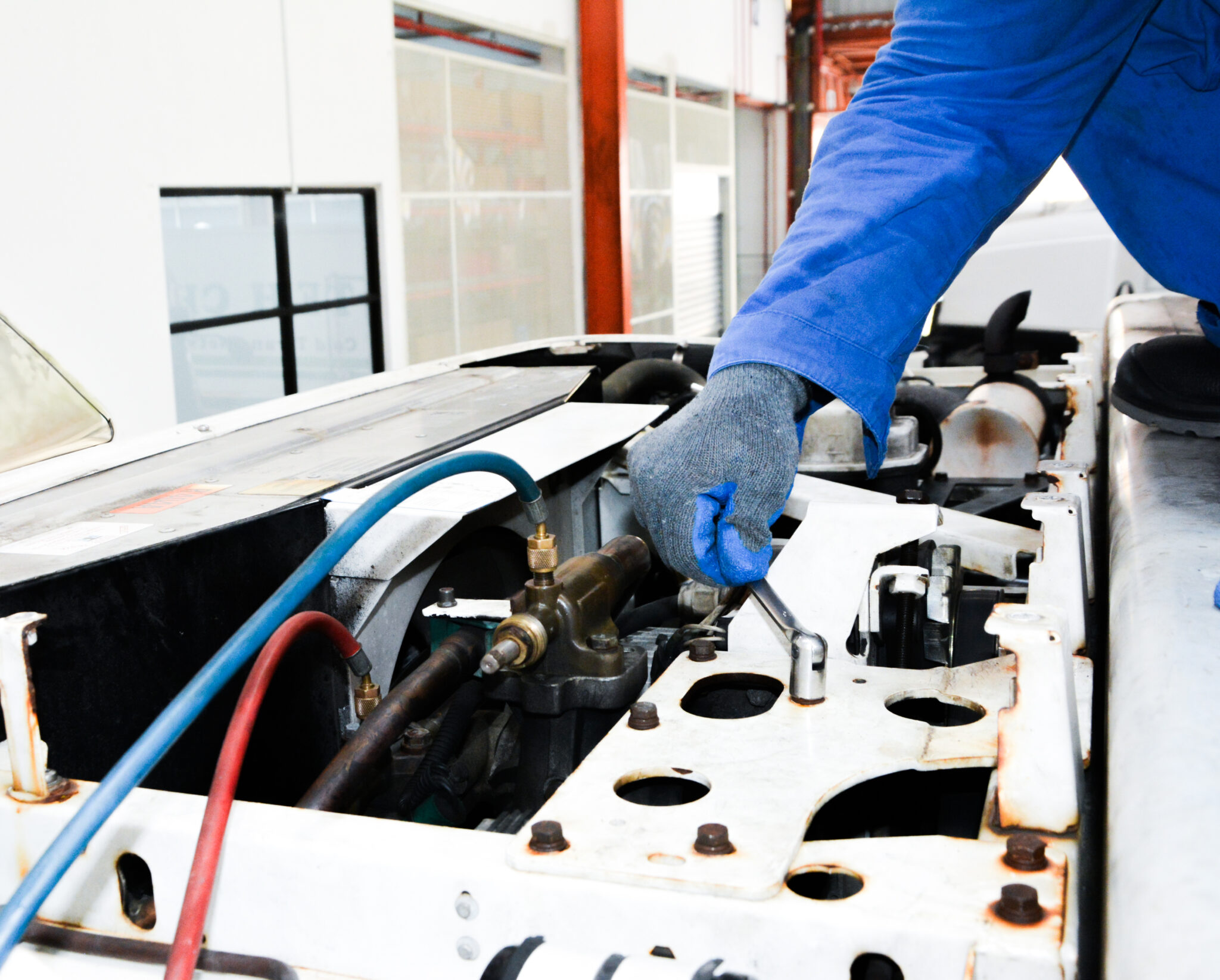
A properly operating refrigeration unit should produce a relatively consistent operating sound. New or unusual noises, such as grinding, rattling, knocking, or high-pitched squealing, should not be ignored.
Depending on the type and location of the noise, possible causes may include:
- Worn bearings in fans or other rotating components
- Compressor problems or internal wear
- Loose or damaged fan blades
- Loose mounting components or panels
- Worn belts or belt tension issues on systems equipped with belt-driven components
These sounds do not necessarily mean that a major component has failed, but they can be an early indication of developing mechanical problems. Continuing to operate the unit without inspection may allow a relatively minor issue to develop into a more serious failure, potentially resulting in higher repair costs and unplanned vehicle downtime.
If a refrigeration unit suddenly sounds different from its normal operating condition, arrange for a technician to inspect it and identify the source before the problem becomes more serious.
3. Temperature Drifting
A refrigerated container should maintain its required temperature within the appropriate operating range. If the temperature reading repeatedly rises and falls beyond the expected range, or the unit struggles to maintain its setpoint under similar conditions, further investigation may berequired.
Possible causes include:
- Worn or damaged door seals allowing warm air infiltration
- Damaged or deteriorated insulation increasing heat transfer into the cargo compartment
- Reduced refrigeration performance caused by issues with the compressor, condenser, evaporator, or refrigerant circuit
- Faulty or incorrectly positioned temperature sensors resulting in inaccurate readings or improper system control
- Poor internal airflow caused by blocked air outlets, restricted return-air paths, or incorrect cargo loading
Temperature instability can be particularly important when transporting pharmaceuticals, fresh produce, dairy products, seafood, and other temperature-sensitive cargo with specific temperature requirements.
If temperature fluctuations occur repeatedly, operators should not simply lower the setpoint to compensate. The underlying cause should be identified through proper inspection and diagnosis to ensure that the refrigeration system, insulation, doors, sensors, and airflow are all performing as intended.
4. Ice Build-Up
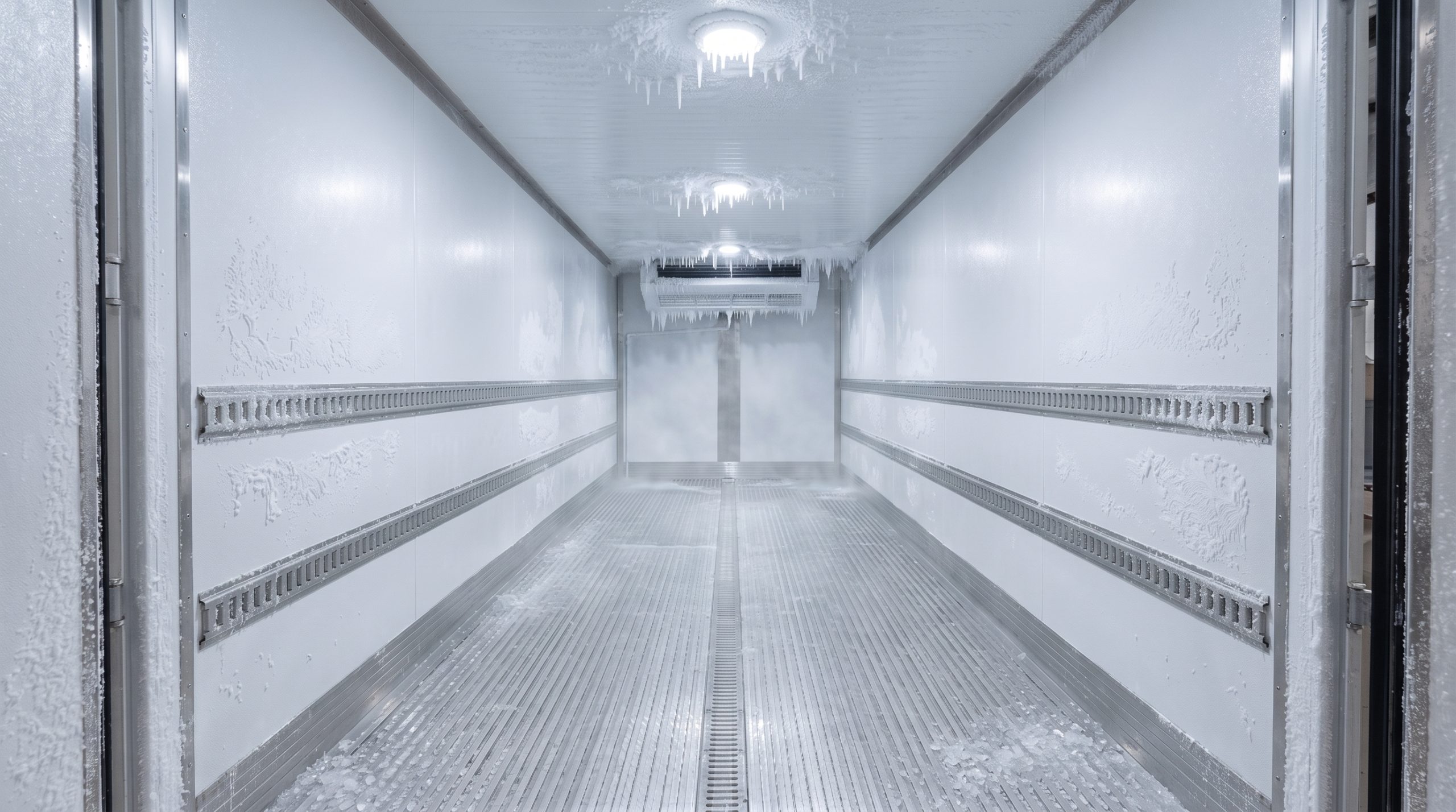
Frost or excessive ice formation around the evaporator coil is a warning sign that the refrigeration system may not be operating correctly. A small amount of frost can occur under certain operating conditions, but excessive or persistent ice build-up can restrict airflow and reduce the evaporator’s ability to transfer heat effectively.
As ice accumulates, the refrigeration unit may need to operate for longer periods to maintain the required temperature. In severe cases, restricted airflow can significantly reduce cooling performance and prevent the cargo compartment from reaching its setpoint.
Common causes include:
- A faulty or incomplete defrost cycle, preventing accumulated frost from being removed effectively
- Restricted airflow, which can cause abnormal coil temperatures and encourage frost formation
- Low refrigerant charge or a refrigerant-system issue, which may cause the evaporator to operate at an excessively low temperature
- Frequent door openings or warm, humid air entering the container, introducing additional moisture into the system
- Blocked or dirty evaporator coils, reducing proper airflow and heat transfer
Ice build-up should not simply be removed without identifying the underlying cause. If the problem repeatedly returns after defrosting, the refrigeration system should be inspected by a qualified technician to determine why the ice is forming and prevent further loss of cooling performance.
For temperature-sensitive cargo, early attention can help prevent poor temperature control, increased energy consumption, and unexpected refrigeration downtime.
5. Higher Fuel Usage
When a refrigeration unit is no longer operating efficiently, it may need to run for longer periods or work harder to maintain the required cargo temperature. Over time, this can result in increased fuel consumption, particularly for diesel-powered refrigeration systems.
If a refrigerated truck begins using noticeably more fuel despite operating on similar routes, cargo loads, ambient conditions, and temperature settings, the refrigeration system may be one of the areas that requires attention.
Possible causes include:
- Reduced refrigeration efficiency
- Low refrigerant charge or a refrigerant-system fault
- Dirty condenser or evaporator coils
- Restricted airflow
- Compressor or fan problems
- Poor door seals or damaged insulation, allowing additional heat into the cargo compartment
Higher fuel consumption is not necessarily caused by the refrigeration system alone. Traffic conditions, driving behaviour, vehicle load, tyre pressure, engine condition, and route changes can also affect fuel usage.
However, a consistent increase in fuel consumption together with longer operating times or declining cooling performance is a useful warning sign. Having both the vehicle and refrigeration system checked can help identify the underlying cause operating costs continue to rise.
6. Water Leakage or Excessive Condensation
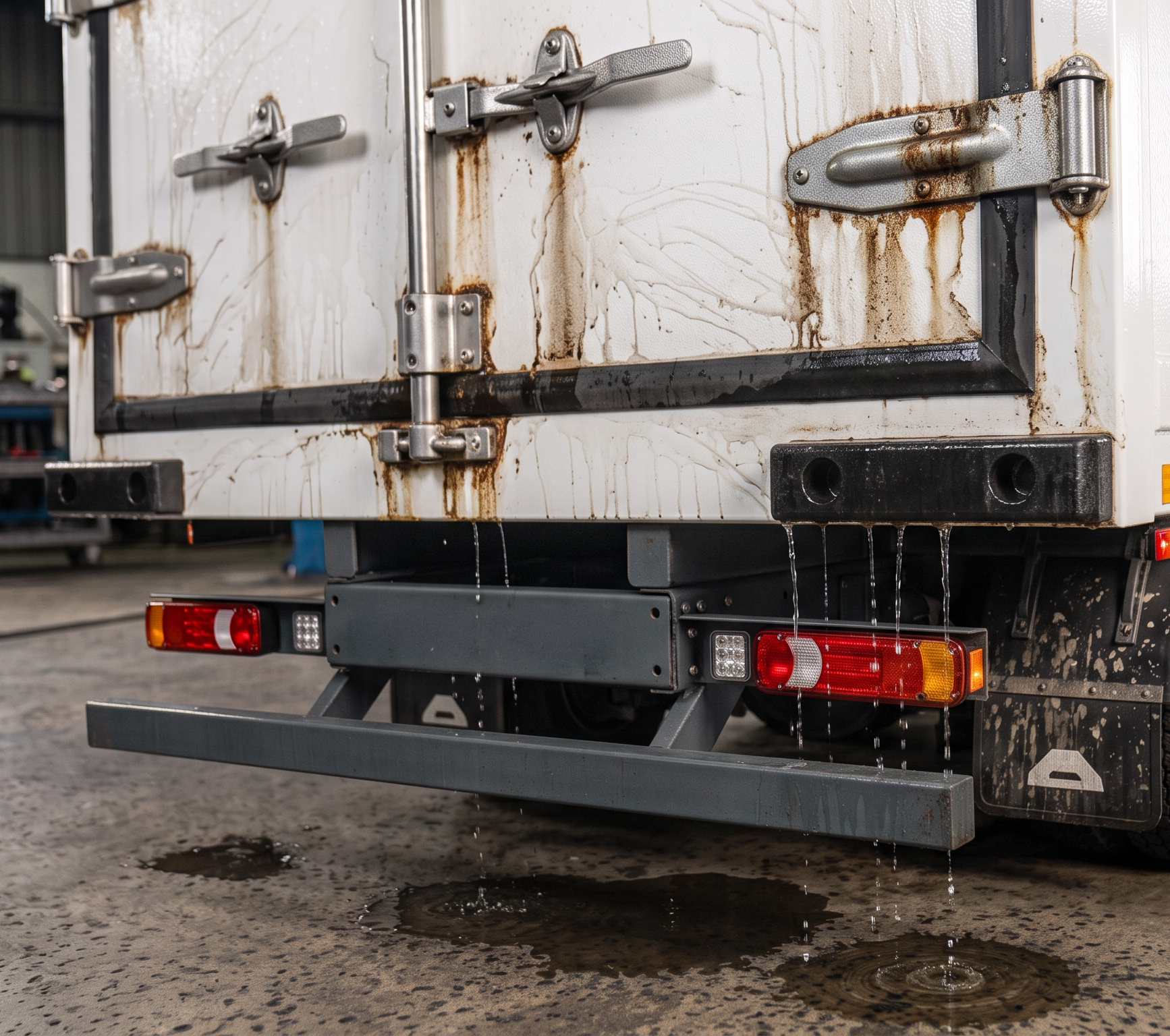
Some condensation is normal in a refrigerated container, particularly when operating in hot and humid conditions. However, persistent water pooling beneath the vehicle, excessive dripping, or water appearing inside the cargo compartment should not be ignored.
Common causes include:
- Condensation accumulating faster than it can drain, particularly under high-humidity operating conditions
- Blocked, damaged, or incorrectly positioned drain lines, preventing condensate from leaving the system properly
- Damaged door seals or deteriorated insulation, allowing warm, humid outside air to enter the cargo compartment
- Excessive door openings, which can introduce additional moisture into the refrigerated space
If left unresolved, water leakage can create several operational problems. Moisture can damage packaging and cargo, contribute to corrosion of components, promote mould or microbial growth, and create hygiene and food-safety concerns, particularly when transporting fresh food and other perishables.
If unusual water accumulation or leakage is observed, the source should be identified and corrected rather than simply removing the visible water. Checking the drainage system, door seals, insulation, and overall refrigeration operation can help prevent the problem from recurring.
7. Error Codes on the Controller
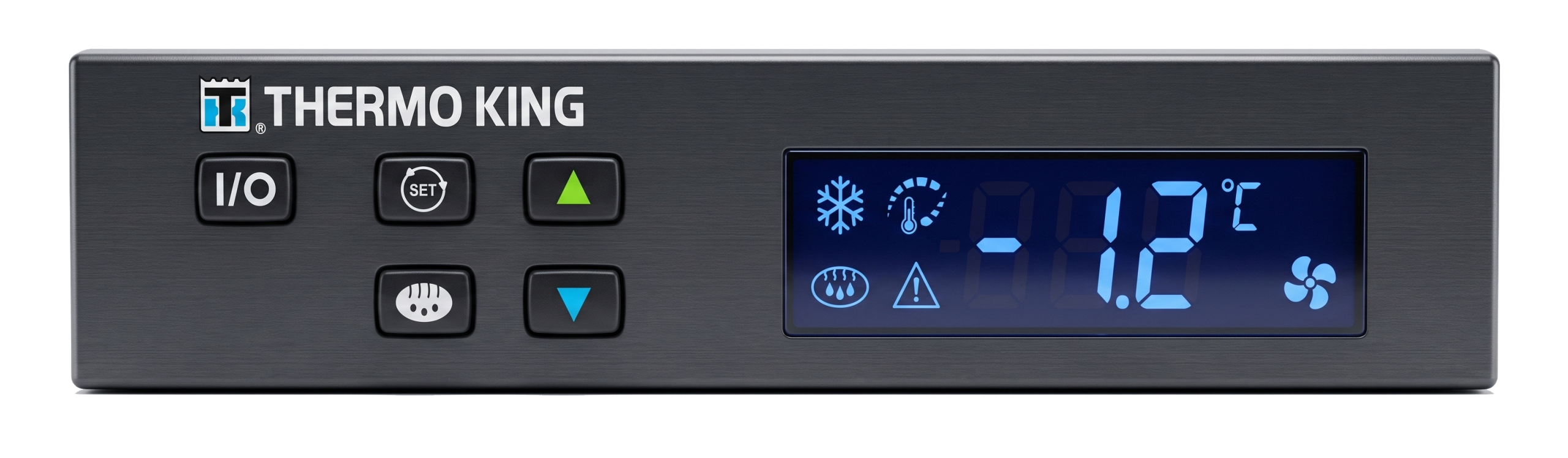
Modern refrigerated truck systems are equipped with built-in diagnostic and monitoring functions to help identify abnormal operating conditions. When an error code, alarm, or warning indicator appears on the controller, it means the system has detected an issue that requires attention.
The cause can range from relatively minor problems, such as temperature sensor or electrical connection issue, to more significant refrigeration-system faults involving refrigerant pressure, fans, compressors, or other components.
Common examples may include:
- Temperature sensor or sensor circuit faults
- High or low pressure alarms
- Refrigerant system abnormalities
- Fan or compressor related faults
- Electrical or voltage related problems
- Airflow or defrost system issues
An error code should not simply be cleared without understanding its cause. The diagnostic code provides useful information to a qualified technician and can help speed up troubleshooting.
Ignoring repeated alarms may allow an underlying problem to worsen, potentially resulting in reduced cooling performance, increased operating costs, cargo temperature excursions, or an unexpected breakdown.
If an error code or warning light appears repeatedly, record the code and operating conditions and arrange for the refrigeration system to be properly diagnosed by a qualified technician. Early attention can often prevent a minor fault from developing into a more costly repair.
Prevent Breakdown Before Deliveries Are Affected
Most refrigeration system problems do not appear overnight. They usually develop gradually, which is why routine inspection and preventive maintenance are far more effective than waiting for a breakdown to occur.
A few simple practices can make a significant difference:
- Schedule regular servicing for the refrigeration unit, not just the truck engine.
- Check door seals and insulation regularly for damage, deterioration, or air leakage.
- Keep condenser and evaporator coils clean to maintain effective heat transfer and airflow.
- Train drivers to recognise early warning signs and report unusual noises, temperature fluctuations, alarms, or other abnormalities immediately.
Reliable temperature control is not only about the refrigeration equipment. It also depends on the people operating and maintaining the system every day. Proper driver awareness and regular training can help identify potential problems early, before they develop into costly breakdowns or cargo temperature excursions.
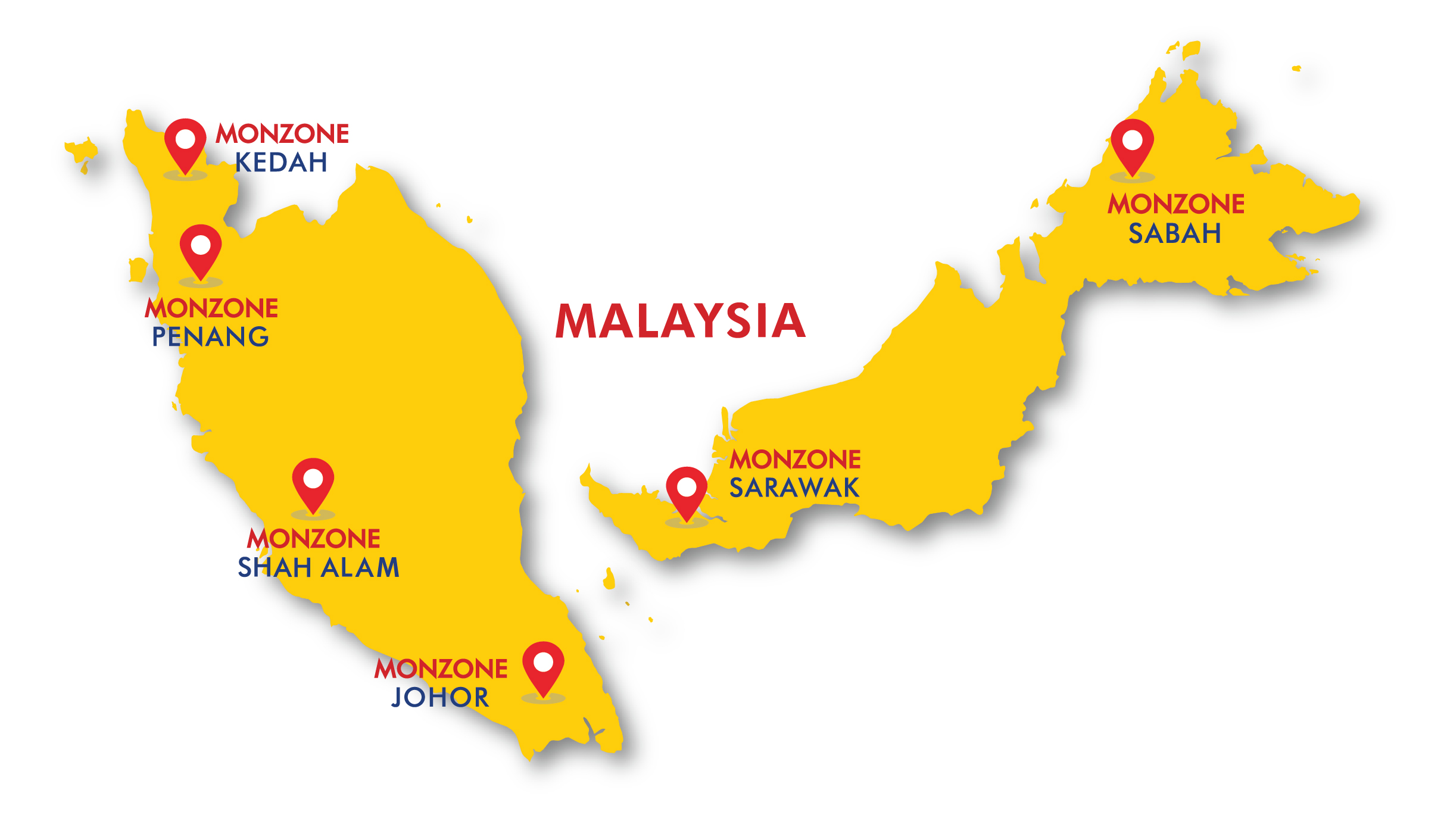
Monzone Group supports fleet operators across Malaysia with refrigeration systems designed for demanding local operating conditions, together with customer training and driver refresher courses. These programmes help operating teams understand proper refrigeration practices and recognise early warning signs before they affect deliveries.
If your refrigerated truck is showing any of the warning signs discussed above, do not wait until a breakdown occurs on the road. Monzone Group provides servicing, maintenance and technical support across Malaysia, Thailand and Singapore, helping fleet operators keep their refrigeration systems operating reliably.
Contact our team to arrange an inspection or service before a developing problem becomes an operational disruption.